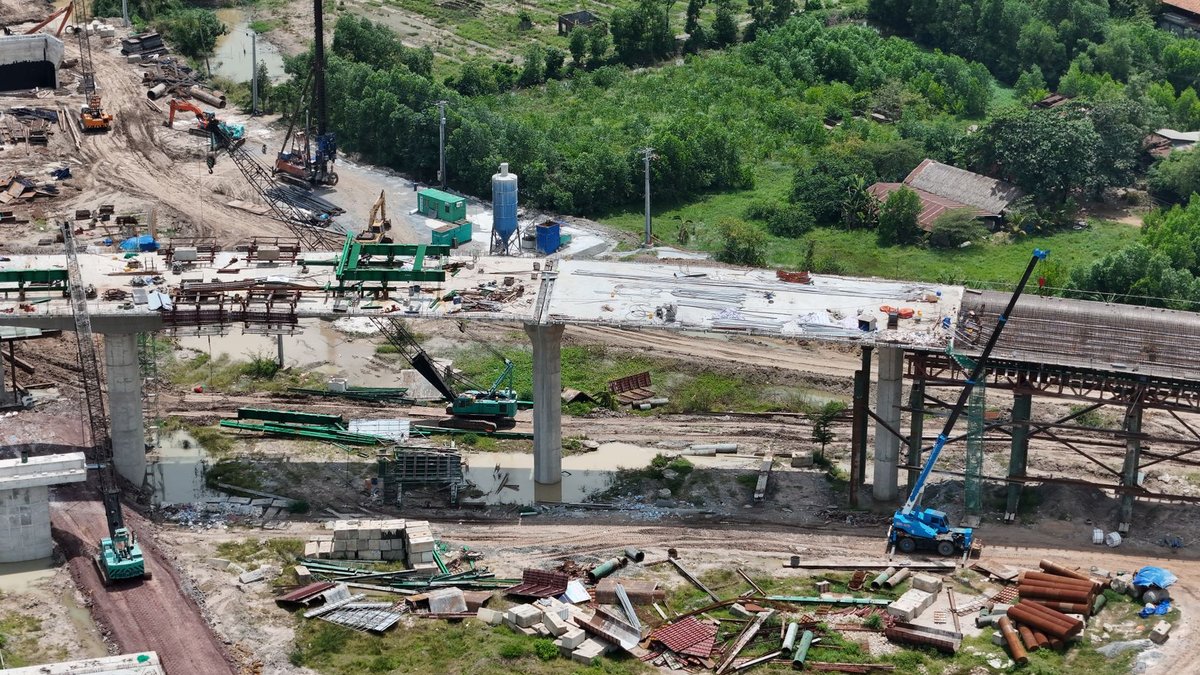
For more than two decades, Africa has invested significant political and financial capital into connecting the continent through roads, railways, and border facilities. While this physical foundation is substantial, the next phase of development requires shifting focus from construction to operational efficiency. The goal is to align regulations, standards, and institutional systems so that these assets deliver their intended economic utility.
The Priority Action Plan 2 currently includes 69 projects with a total capital expenditure estimated at approximately US$160.8 billion. As the continent begins a mid-term review of these initiatives, the primary challenge is determining what factors facilitate project progress. Historical data shows that between 2012 and 2021, the first PIDA plan resulted in the construction or rehabilitation of roughly 16,000 kilometers of roads and 4,000 kilometers of railway.
Infrastructure development often faces the assumption that continental programs struggle to build, yet the physical evidence indicates a high capacity for delivery. The current hurdle is not a lack of construction capability, but the gap between a completed asset and a functional, integrated regional system. When power grids are synchronized, the secondary challenge is ensuring commercial rules are ready to trade electricity across borders immediately.
Related: US warns African musicians losing millions without protection
If administrative and regulatory frameworks are synchronized alongside physical construction, projects may transition from planning to full operation with greater speed. This approach suggests that future infrastructure spending could yield higher returns by prioritizing the removal of legal and technical bottlenecks. By front-loading the creation of unified operating rules, governments might reduce the time between project completion and actual service delivery.
Energy projects have provided similar insights. This milestone was only possible once wheeling tariffs and transmission pricing methodologies were settled, proving that commercial frameworks are as important as the physical towers and wires.
Governance structures also play a role in project momentum. In cases involving multiple states and regulators, the cost of coordination increases significantly. To mitigate these complexities, the current strategy involves anchoring projects on smaller, bilateral arrangements. This approach allows for more manageable negotiations, as building bridges between two parties is simpler than coordinating across larger groups.
Related: Africa’s debt relief hopes dim again
Infrastructure acts as an instrument of industrial policy. A transport corridor only reaches its full potential when it functions as a trade corridor, allowing goods to cross borders at predictable costs. When power and logistics become reliable, manufacturing and regional value chains can anchor themselves around these networks.
By treating regulatory alignment as part of the path toward , officials hope to shorten the road to full economic integration. remains a secondary priority in these discussions.


