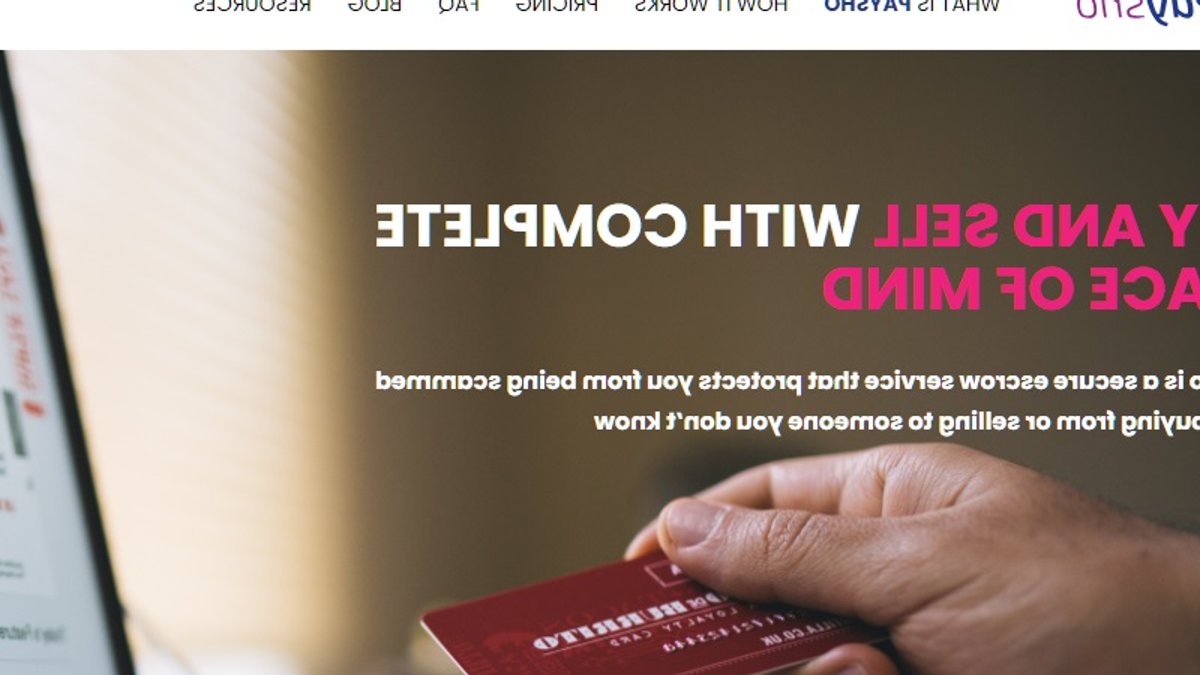
South Africa’s Paysho escrow service now offers a way for buyers and sellers to lock funds until a transaction is completed, but its founder’s first venture was far removed from finance.
From heelstoppers to a digital escrow platform
Founder Bongani Matshisi recalls watching a wedding on TV in September 2016 when he noticed brides struggling in high heels on grass. After learning a similar product already existed, he ordered 50 pairs of “heelstoppers” to test demand. The inventory sold out within a week, prompting a larger order of 500 units and a push on social media.
Most sales originated from his hometown of East London, yet the online reach attracted strangers from other regions. Some customers sent money before meeting him, but many hesitated, fearing scams. “The majority wouldn’t because of fear of getting scammed,” he said, noting the impact on his plans to retire early.
Research revealed the South African Post Office had once offered a cash‑on‑delivery service before discontinuing it, leaving a gap in secure payment options. “That was when I decided to build my own escrow service,” Matshisi explained, abandoning the heel product and focusing on what would become Paysho.
Related: Safaricom M‑Pay Sumitomo debut Spark Accelerator
Building the platform
The first version of the Paysho site launched in February 2018, entirely bootstrapped. Initial activity was minimal; the platform recorded its first successful transaction after 1,144 days online. Once that milestone was reached, the volume of deals began to rise, culminating in 2023 as the strongest year yet for the company.
Paysho earns revenue by taking a commission on each completed transaction, whether the trade involves physical goods, digital items, or services. Despite some interest from investors, he has not found a partner that aligns with the company’s goals, leaving the business fully owner‑funded and still far from breaking even.
The service’s core promise is equal protection for both parties, holding funds until both buyer and seller confirm that agreed terms have been satisfied. This model mirrors traditional escrow arrangements but is delivered through a web platform accessible across South Africa.
While the concept seems straightforward, the market still requires significant consumer education. Many potential users remain unaware of how escrow works, similar to the earlier lack of awareness about heelstoppers. Matshisi says the sector will need “a lot of consumer education” before its full potential can be realized.
Related: Zoom Users Targeted by New Scams
From a broader perspective, the emergence of Paysho reflects a growing need for trust mechanisms in online commerce, especially in regions where cash‑on‑delivery services have dwindled. As more South Africans turn to digital marketplaces, secure payment solutions like escrow can lower barriers to trade, encouraging both small entrepreneurs and larger sellers to engage with distant customers.
Challenges and future outlook
The company continues to face hurdles, including limited public understanding of escrow benefits and competition from other payment providers. Nonetheless, the gradual increase in completed transactions suggests an evolving acceptance of the model.
Matshisi remains optimistic, noting that as more people experience successful deals through Paysho, word‑of‑mouth could accelerate adoption. The platform’s longevity will depend on balancing the need for education with sustainable revenue generation.
Trust builds slowly.


