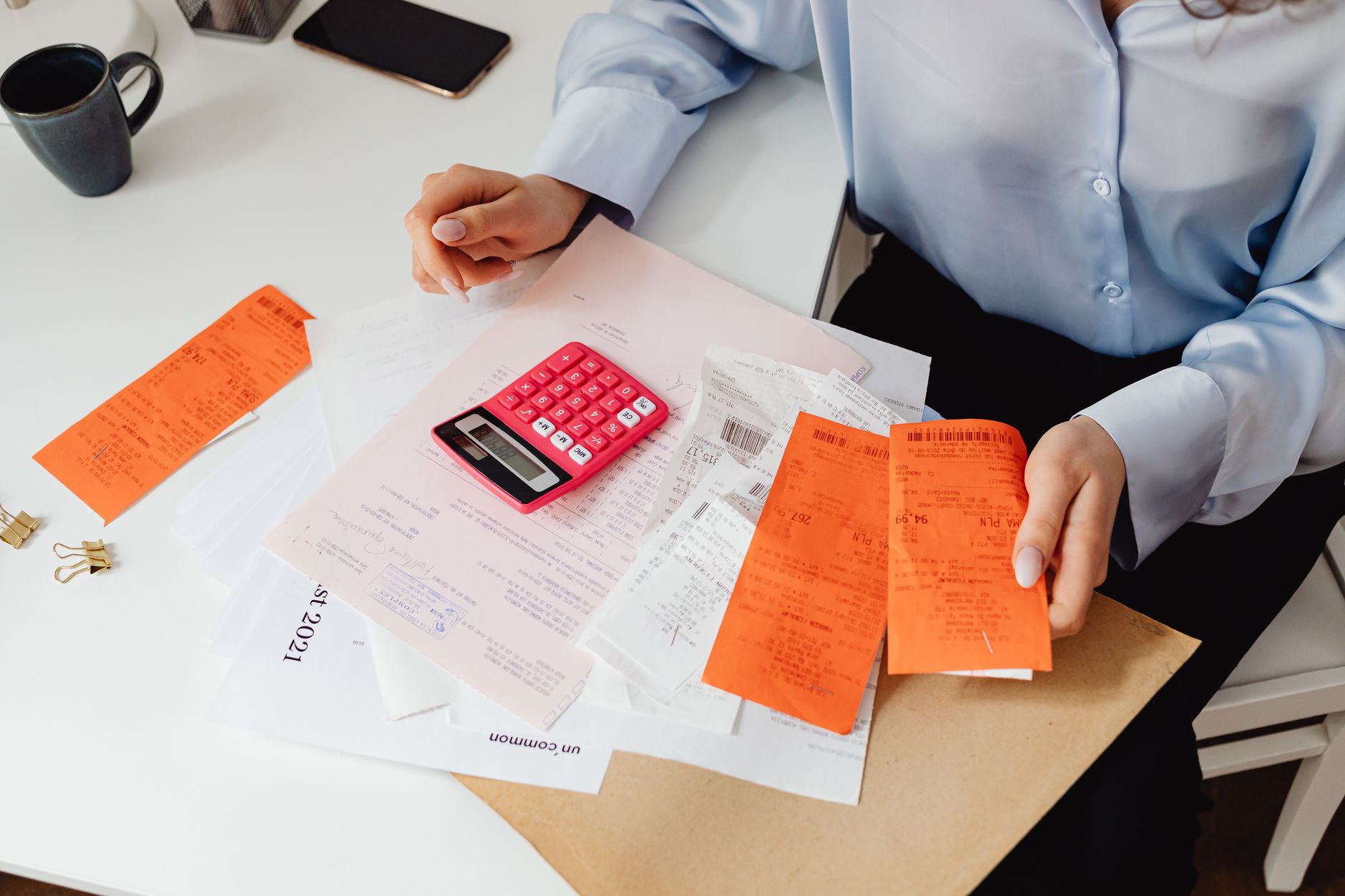
Managing your accounts and bookkeeping as a sole trader can feel like a full‑time job, but the right tools and a clear routine can keep the workload manageable and keep you compliant with tax rules.
Why bookkeeping matters for a one‑person business
Bookkeeping means keeping a record of every receipt, invoice and bill that flows through the business. For a sole trader, this is not optional; it is a legal responsibility. Accurate logs help you track cash flow, avoid missed payments and reduce the risk of fines. Errors can lead to penalties or, in more serious cases, legal action, because unlike a limited company the owner does not have the same liability protection.
First steps after you start trading
Before you worry about software, you need to register with HMRC and understand the basic filing requirements. Those include keeping records of all incoming and outgoing expenses, filing an annual Self Assessment tax return, paying income tax on profits, and, if your turnover exceeds £85,000, registering for VAT. You also need to pay Class 2 and Class 4 National Insurance contributions.
Choosing accounting software
Digital platforms simplify the bookkeeping process. They let you store supplier details, automate invoice reminders and even submit VAT returns directly to HMRC. When you compare options, consider three factors: cost, ease of use and scalability.
Related: TikTok Tops Facebook for Small Business Ads
Most packages sit in a similar price range, but the features they bundle differ. A cheaper plan might lack a built‑in expense calculator, while a premium tier could include advanced reporting you never need. Look closely at what each tier offers before you decide.
A program that feels clunky can do more harm than good. If the interface forces you to click through dozens of screens for a simple receipt entry, you’re likely to make mistakes or give up. Many tools marketed to larger, VAT‑registered firms include features that solo operators never touch, so a stripped‑down version often makes more sense.
Think about the future, too. A platform that can grow with you—adding payroll modules or handling higher turnover—will save you the hassle of switching later. Most vendors provide free trials; use that time to test the workflow and see whether the software fits your style.
Key features to look for
- Expense calculator tailored for self‑employed users.
- Automated bank feeds that pull transactions into the ledger.
- VAT filing assistance if you cross the registration threshold.
- Mobile app for on‑the‑go entry of receipts.
When a platform checks these boxes, it can shave hours off your weekly routine.
Related: Act Fast When IP is Stolen
Taxes a sole trader must handle
Beyond income tax, you’ll pay National Insurance contributions. VAT registration becomes mandatory only when turnover tops £85,000.
Keeping a separate record for each tax type helps you stay organized when the filing dates arrive.
Record‑keeping requirements
HMRC expects you to retain documentation that backs up your accounts. That includes sales invoices, purchase receipts, bank statements, and VAT records if you’re registered. If you have employees, you must also keep PAYE logs. The law does not specify a particular format, but the records must be clear enough for an inspector to follow the money trail.
Many accountants recommend holding onto these documents for at least five years, which aligns with the statutory retention period.
Related: Free card readers available for UK small businesses
Putting it all together
Start by setting up a simple spreadsheet to capture daily income and expenses while you evaluate software options. Once you settle on a platform, import the historic data and let the system generate reports. Use the built‑in calculators to estimate your tax bill and identify deductible costs.
Stay organized and avoid penalties.
One small but sometimes overlooked tip: regularly reconcile your bank feed with your ledger. It takes a few minutes each week, but it prevents small mismatches from snowballing into larger errors that could trigger an HMRC enquiry.
With a clear routine, the right digital tool and an eye on compliance, managing your accounts and bookkeeping as a sole trader becomes less of a burden and more of a routine that supports your business growth.


