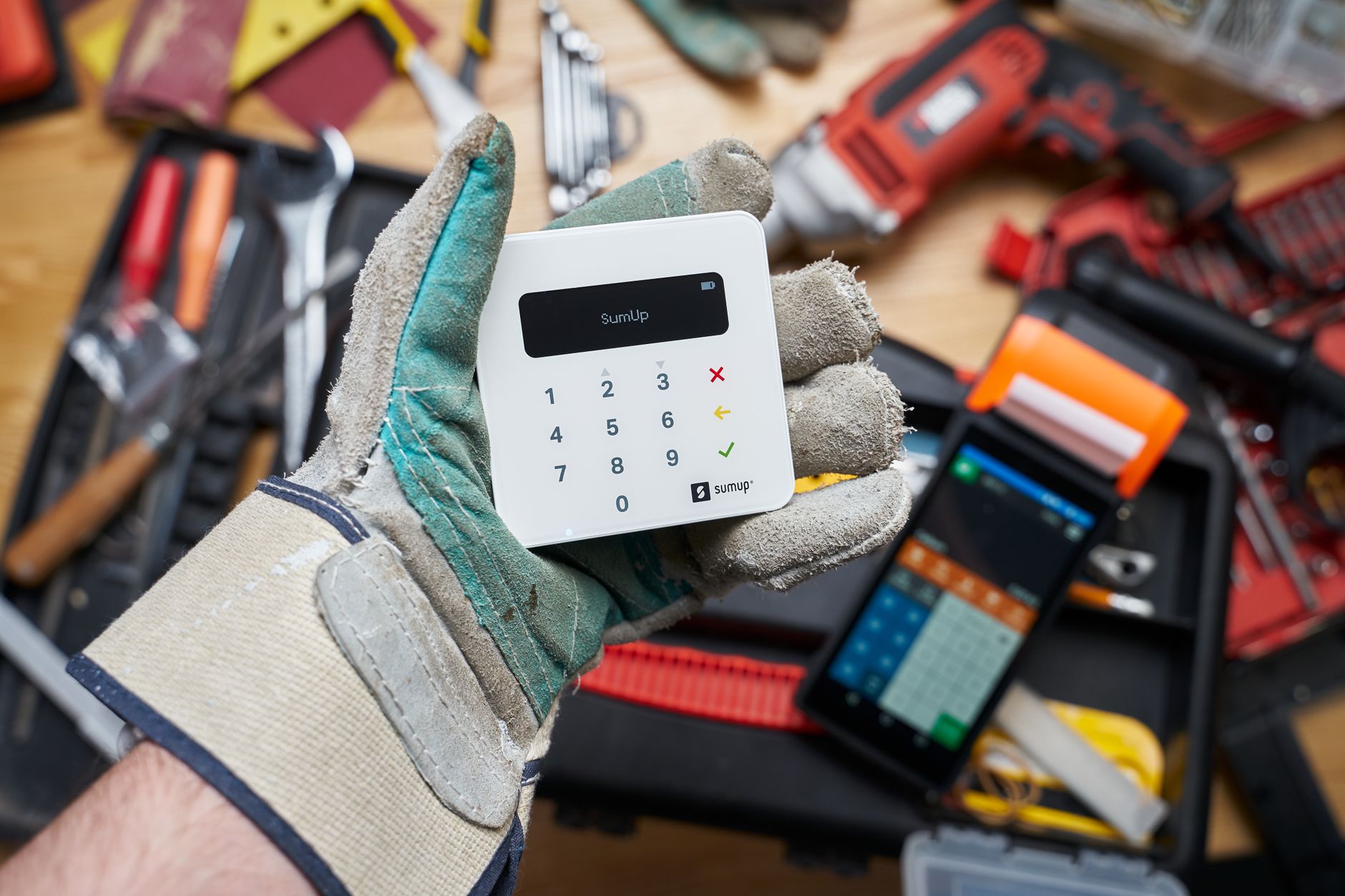
Small businesses in the UK are increasingly looking for ways to cut costs, and payment processing is a key area of focus. Many owners are exploring options for card readers that don’t require large upfront investments. The outlet noted that some providers offer rental models or low-cost purchase plans. These alternatives aim to reduce the financial burden on small businesses, especially those just starting out.
Traditional card readers often come with high initial fees, which can be a barrier for new ventures. Rental agreements, however, allow businesses to use equipment without buying it outright. This model spreads costs over time, making it easier to manage cash flow. Some companies also offer free trial periods, letting businesses test the technology before committing.
One provider mentioned in the outlet offers a monthly rental fee that includes maintenance and software updates. This approach avoids the need for businesses to handle repairs or upgrades themselves. Another option is a low-cost purchase plan with no hidden fees, though this requires a larger initial payment. Both models have pros and cons, depending on a business’s financial situation.
Related: TikTok or Reddit for small business ads
Businesses should consider their volume of transactions when choosing a card reader. High-traffic locations might benefit from faster, more durable models, even if they cost more upfront. Lower-volume operations, on the other hand, could save money with rental agreements. The outlet notes that some providers tailor their plans to match different business needs.
Not all free or low-cost options are created equal. Some rental programs may include additional costs for data usage or support. Businesses are advised to read contracts carefully and ask about potential extra charges. A few providers also offer free customer support during the first few months, which can be a valuable perk.
The rise of contactless payments has influenced the market, with some card readers now supporting multiple payment methods. This versatility can improve customer convenience and reduce the need for multiple devices. However, not all free or low-cost models include these features, so businesses should verify compatibility with their payment systems.
Related: The Future of Finance: What to Expect in a Rapidly Evolving World
Industry experts suggest that while free options exist, they often come with limitations. For example, some rental models restrict the number of transactions per month. Businesses with fluctuating sales might find these caps restrictive. Others may prefer to purchase a reader outright to avoid long-term commitments.
One small café owner in Manchester shared that a rental plan helped them avoid a large upfront cost. “It made sense for us when we were starting out,” they said. “We could focus on other expenses instead of buying equipment.” However, they added that as their business grew, they eventually opted to purchase a more advanced reader.
Despite the availability of low-cost options, some businesses still find the costs prohibitive. A survey cited in the outlet found that nearly 30% of small businesses struggled to afford card readers in the past year. This highlights a gap between what’s available and what some owners can realistically afford.
Related: Small Businesses Need Reliable Web Hosting Partners
Providers are responding by expanding their offerings. Some now partner with banks or financial institutions to offer subsidized rates. Others are experimenting with subscription models that bundle card readers with other services, like inventory management or accounting tools. These packages can provide value beyond just payment processing.
As the market evolves, businesses are encouraged to compare multiple options. Factors like transaction speed, reliability, and customer support should be weighed alongside cost. While free or low-cost readers can help reduce expenses, they may not always align with a business’s long-term needs.


