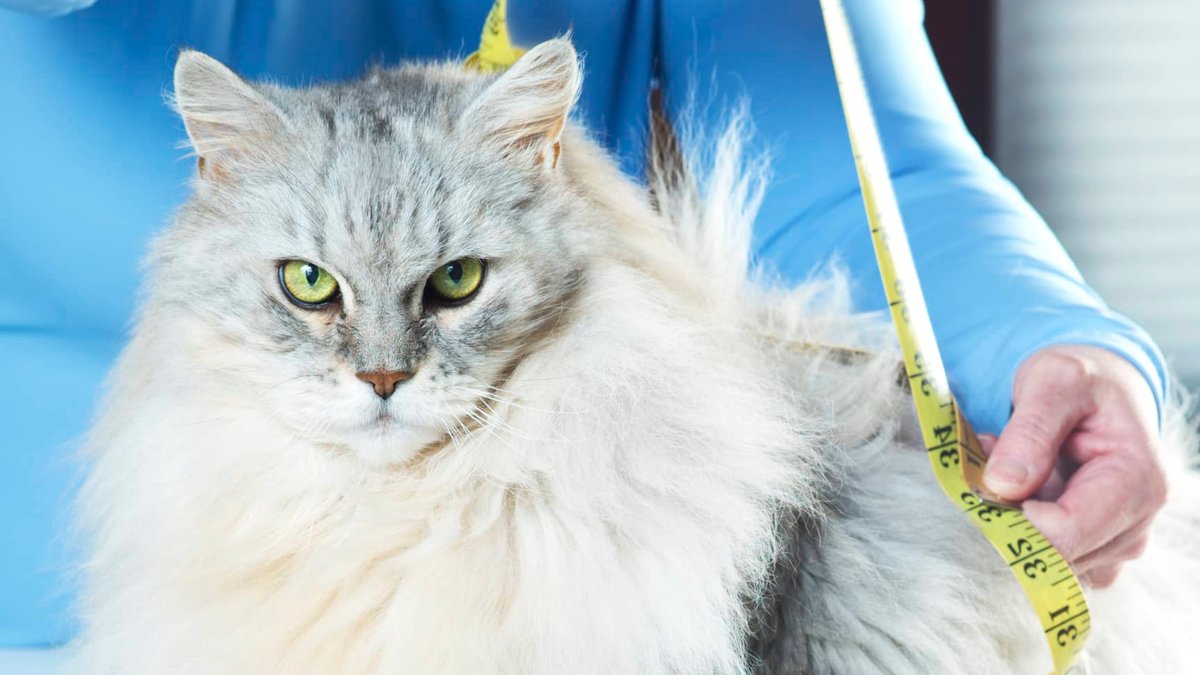
Owners of overweight cats are watching a new wave of experimental weight-loss drugs that may soon mimic the blockbuster human medications like Ozempic. Two U.S. biotech companies are currently testing GLP-1 therapies designed to regulate appetite in pets, moving the concept from a wishful thought to active veterinary research. While no commercial products are yet available, the trials mark one of the earliest attempts to bring the human obesity drug class into companion animal medicine.
Early trials target feline obesity
Akston Biosciences is sponsoring a clinical study at Cornell University to evaluate a once-weekly GLP-1 therapy for overweight and obese cats. Separately, San Francisco-based OKAVA Pharmaceuticals is testing a long-acting implant designed to release medication continuously for up to six months. Neither product is approved, and both remain in early-stage testing phases that require safety and efficacy verification before reaching veterinarians.
Cat obesity presents a distinct set of challenges for veterinarians. Owners cannot simply take a cat for a long walk to burn calories, and felines often resist dietary changes. Additionally, administering medication consistently can be difficult. Akston CEO Todd Zion noted that feline obesity is a common issue that is frequently difficult to treat effectively.
Related: Gas stations grow in size and star power
The Akston-sponsored trial will evaluate about 70 cats over roughly three months. OKAVA’s study, named “MEOW-1,” involves an implant inserted by a veterinarian. Top-line results from both trials are expected later this year. While the companies see significant potential in regulating appetite through these mechanisms, a spokesperson for OKAVA said it would be premature to comment on future sales expectations.
From premium food to medical care
Whether GLP-1 drugs become commonplace in veterinary medicine remains uncertain. However, industry analysts say they fit into a broader transformation reshaping the U.S. pet economy. This shift is described as an expansion from premiumization into medicalization.
Consumers increasingly buy pet food marketed around healthier ingredients and therapeutic nutrition, while veterinary care and diagnostics take a growing share of household spending. Rather than replacing specialized diets, obesity drugs would likely become another tool within a broader healthcare ecosystem that includes veterinary services and therapeutic nutrition.
Related: Southwest ships Texas fuel to Los Angeles
Industry analysts caution that pet GLP-1s may not replicate the explosive commercial success of human obesity drugs. Veterinary medicine remains largely an out-of-pocket expense for owners, and affordability will likely constrain uptake. The more credible near-term scenario is growth from the broader obesity ecosystem, including structured weight-management programs and prescription diets.
For many owners, the decision to treat a pet with medication may hinge less on the science and more on the price tag. Felix’s owner, Amy in Dallas, says the cost would be the deciding factor. “It would have to be affordable,” she said. That financial barrier may determine whether GLP-1s become a mainstream veterinary treatment or remain a niche option.
The rise of medical options for pets reflects a wider trend toward more integrated healthcare for animals. As the market expands, the focus shifts from basic care to advanced interventions.


