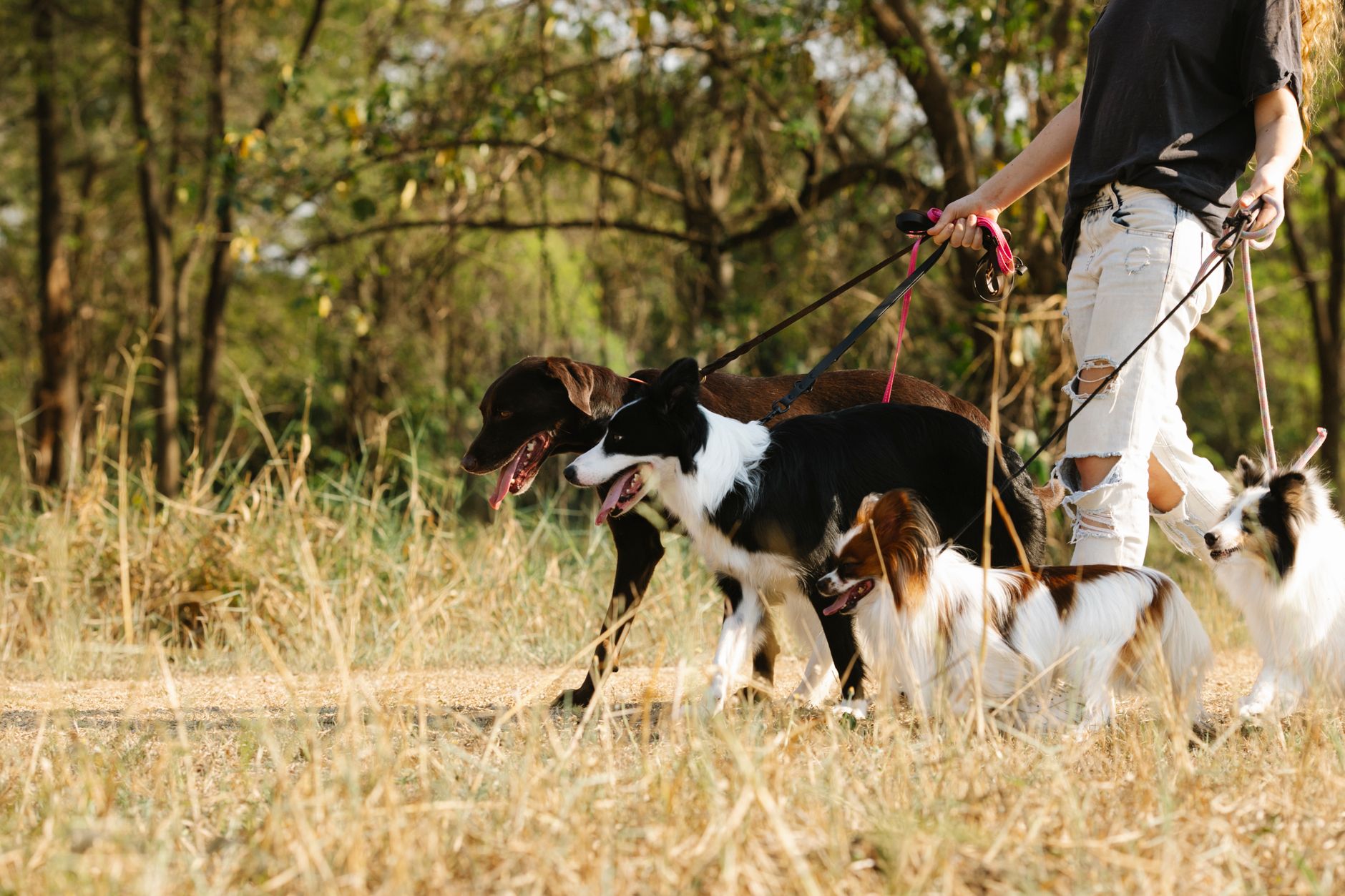
Starting a dog walking business can combine a love for the outdoors with a practical way to earn income. For those who enjoy spending time with dogs and want to turn that into a small enterprise, the steps are straightforward — but they require some planning. Reporters noted in a 2026 guide that the business is ‘a great way to get outdoors.’
Here’s what the process typically looks like.
What you need before you start walking
First, check local regulations.
Some UK councils require a licence for commercial dog walking, especially if you plan to walk more than a certain number of dogs at once. The limit varies — often four dogs per person — so it’s worth confirming with your local authority before you begin.
You’ll also need to decide on a business structure.
Most people start as a sole trader, which keeps paperwork simple.
But if you want to limit personal liability, a limited company is an option. Either way, register with HM Revenue & Customs for self-assessment if needed.
Insurance is not optional
Public liability insurance is a must.
Related: Stuck in a property co-ownership dispute
If a dog you’re walking causes injury or damage, you could be held responsible. Many customers also ask to see proof of cover. Some policies include care, custody, and control coverage for the pet itself — worth considering if you’re handling someone else’s animal.
Costs vary.
Basic policies start around £50–100 per year, but premiums rise if you walk multiple dogs or offer additional services like pet sitting.
Setting your prices and services
Rates depend on where you live. In London, a 30-minute walk might fetch £12–15; in smaller cities, £8–10 is more typical. Group walks cost less per dog but bring in more total revenue per hour. Solo walks command a premium.
Many walkers offer packages — discounted block bookings or weekly contracts. That helps with steady cash flow and keeps customers coming back.
One thing to watch: if you charge too little, you’ll burn out. If you charge too much, you might struggle to find clients. Checking what local competitors charge is a smart move.
Getting clients without spending on ads
Word of mouth works well for dog walkers. Join local Facebook groups, put up flyers at vet clinics or pet supply stores, and ask happy clients to leave reviews on Google. A simple website or social media page helps people find you.
Some walkers partner with local pet shops or dog groomers to cross-refer customers. That arrangement doesn’t cost anything but time.
Related: Top 10 Essential Tips for Small Business Success in 2026
Practical gear and daily routines
You’ll need sturdy leads, waste bags, water, and a first aid kit for pets. A reliable vehicle helps if you pick up pups from multiple homes. Some walkers also invest in a GPS tracker for off-leash walks — not required, but gives owners peace of mind.
Plan your route to avoid long gaps between dogs. A messy schedule means less income per hour and more driving time.
The less glamorous side of the job
Dog walking isn’t all sunshine and wagging tails.
The work is physical — rain or shine — and cancellations happen. Clients sometimes forget to tell you they’re on holiday, or they expect last-minute changes. You’ll also spend time on admin: invoicing, tax returns, and scheduling.
One skeptical view: competition in some areas is high, especially in cities where many people start the same business.
Margins can be thin after expenses and insurance.
Not everyone succeeds, and turnover among dog walkers is fairly high, according to industry observers.
Still, for those who stick with it, the work offers flexibility and a chance to be outside. It’s a small business that doesn’t require a big upfront investment — just a bit of patience and a good pair of waterproof boots.


