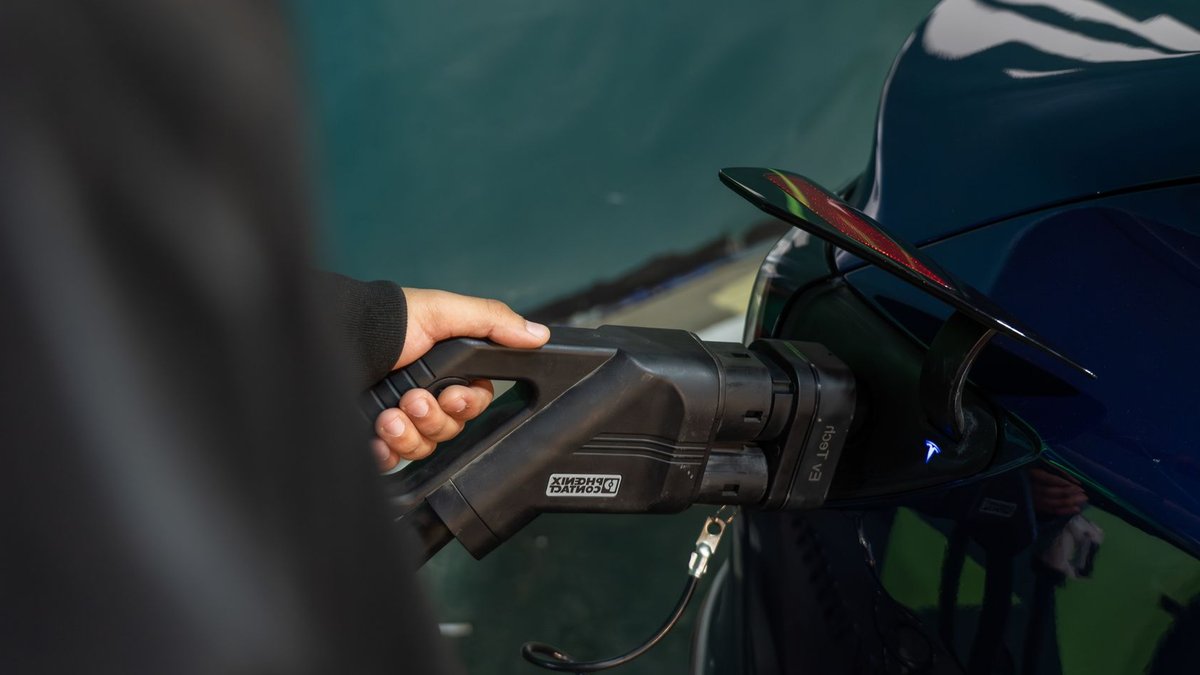
China’s EV battery industry has grown significantly over the past two decades, with the country now producing over 75% of the world’s EV batteries. In 2005, China’s EV battery industry had just two companies, but a 2015 rule tying EV subsidies to an approved list of battery suppliers helped the industry expand.
This rule allowed companies like CATL and BYD to compete with each other and improve their products, making them better, faster, and cheaper. As a result, China is now taking its EV battery industry global, with at least 68 battery plants built abroad in the last decade.
India’s EV Battery Industry
India, on the other hand, has struggled to develop its own EV battery industry. In 2023, the country turned down a $1 billion factory proposal from BYD on national security grounds. Despite this, nearly 84% of India’s lithium-ion battery imports still come from China.
India is working to catch up with China’s EV battery industry.
New GST Reforms
The 57th GST Council meeting focused on simplifying the GST system, rather than reducing tax rates. The goal is to reduce the time and money businesses spend on compliance, making it easier for them to operate in India.
The new reforms aim to provide faster refunds and simpler registration, which could help small businesses grow.
Starlink’s Entry into India
Elon Musk’s Starlink is facing challenges in its entry into the Indian market. Musk has expressed frustration with the Indian government’s handling of Starlink’s entry, and domestic players like Jio and Airtel are offering dirt-cheap internet, making it difficult for Starlink to compete.
Despite these challenges, Starlink has its advantages, particularly in areas where traditional broadband struggles to reach. However, the company’s India ambitions may face hurdles due to pricing and limited network capacity.
IDBI Bank Sale
The Indian government has finally approved a ₹52,878 crore deal to sell IDBI Bank to Fairfax, a Canadian investment and insurance company. The sale has been stuck in limbo for years.