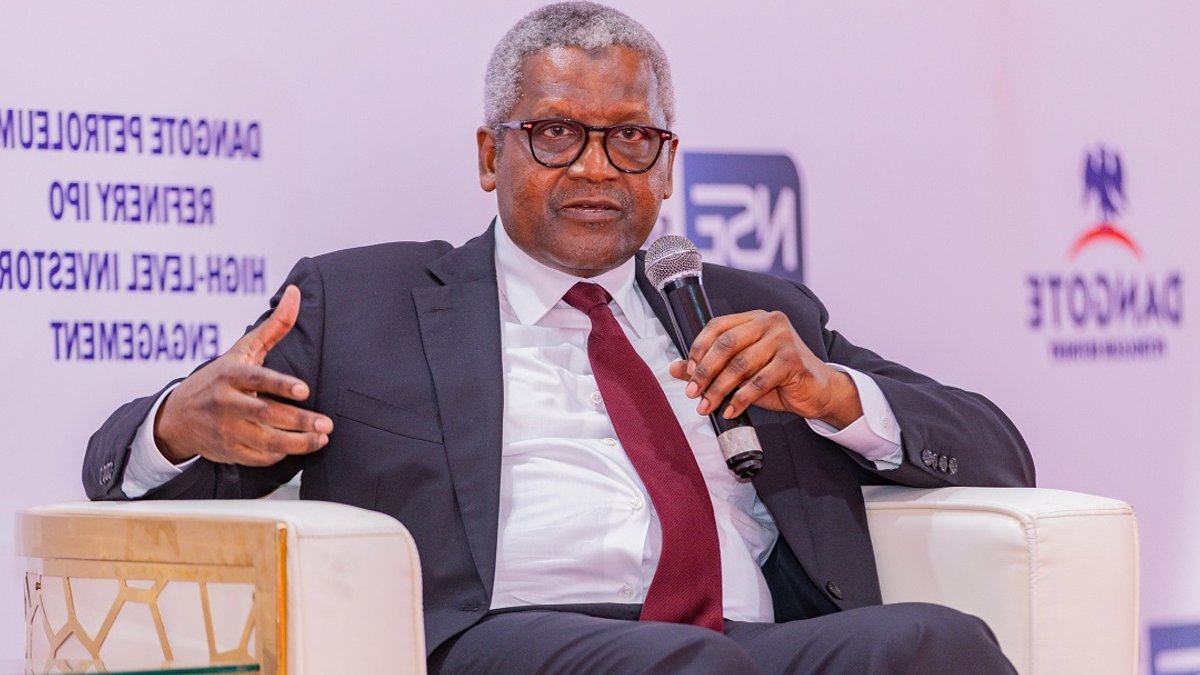
Kenya’s capital markets advanced significantly this week with the approval of its first Global Depositary Receipt (GDR) structure under the 2017 policy framework. This development allows Kenyan investors to purchase shares in Nigeria’s Dangote Petroleum Refinery through the Nairobi Securities Exchange (NSE), representing the first use of the country’s GDR framework since its introduction. The Capital Markets Authority (CMA) authorized the transaction on October 5, enabling local participation in Dangote’s $1.6 billion initial public offering via unsponsored inward GDRs.
The refinery’s IPO, which opened on September 14 and closes on October 13, offers 4.1 billion shares at ₦525 each, aiming for gross proceeds of ₦2.15 trillion. Renaissance Capital (Kenya) Limited will consolidate applications from Kenyan investors and submit them through its Nigerian affiliate to the Dangote IPO. The underlying shares will remain in Nigeria, held in custody by Stanbic Bank Kenya, while GDRs will trade on the NSE in Kenyan shillings at a 1:1 ratio. Investors must commit at least 2,000 GDRs at KES 53.50 per receipt, with additional purchases allowed in 100-unit increments.
Listing is scheduled for December 8, 2026, contingent on approval from Nigeria’s Securities and Exchange Commission. David Kinyua, Chairman of Renaissance Capital, estimates the programme could attract up to $300 million from Kenyan investors, subject to regulatory approval and final terms.
Read Also: Egg Prices Pressure Kenya Central Bank on Rates
However, the program presents challenges. As an unsponsored structure, investors hold no direct shareholder rights—the underlying shares are registered under Renaissance Capital as a bare trustee. Currency risk also poses a threat: GDRs trade in Kenyan shillings, while the underlying shares are denominated in naira. A naira depreciation would reduce the value of Kenyan investors’ holdings, regardless of the refinery’s performance.
Taxation adds further complexity. A statutory withholding tax of 10 percent is applied at source in Nigeria on dividends distributed to the GDR issuer before remittance to Kenya. There is currently no active Double Taxation Agreement between Kenya and Nigeria, meaning investors risk facing double taxation on distributed returns. The CMA has clarified that its approval is not an investment recommendation, advising investors to review offer documents and seek independent advice.
The focus now shifts to whether this GDR structure can bridge the gap between Nigeria’s high-value listings and Kenya’s expanding investor base without introducing new risks. The programme must still clear final regulatory hurdles before the October 13 application deadline for the Dangote IPO.


